ENR began in 2001, in Busan,
under a different name.
The business was HaesungTech, and the idea behind it was not, at the time,
a sustainability
idea.
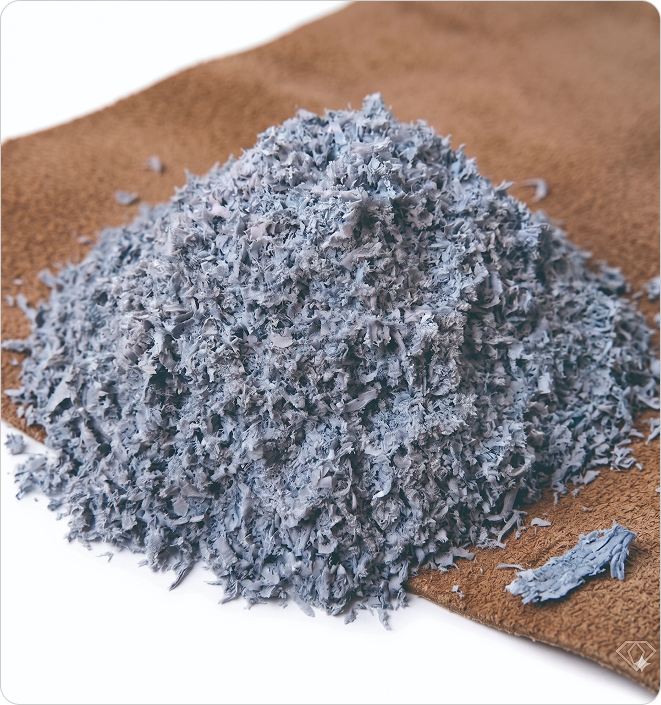
It was a practical one. Leather scrap left over from tanning and cutting had no use and no
value. It
was burned,
or it was buried; someone had to pay to get rid of it. The founder looked at the same
material
and saw the opposite —
a raw material, unwanted, arriving in volume, in a city built on tanning.
Turning that scrap into something a factory would accept took far longer than anyone
expected.
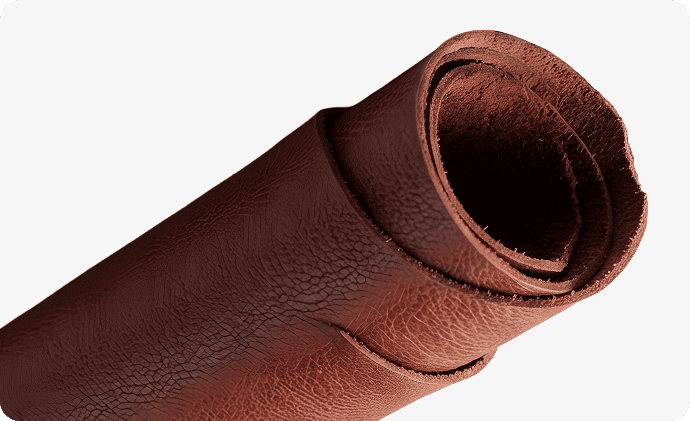
Reconstituted leather had existedfor a century by then, and it had a reputation: adequate for
linings,
for backing, for the parts of a product no one looks at. Making something
a buyer would put on a visible surface meant rebuilding the process, not adopting it.
The company was renamed ENR in 2014. The material found its way into hidden parts first
—reinforcement, backing —and only later onto surfaces a buyer would see,
in products made by international brands.
The buyers who tested it stayed. The move to needle punching, replacing older wet processing,
was the point at which the material stopped being a compromise and became a choice.
Over twenty-five years on, ENR does one thing, in one place, with much the same people.
The tannery that sends us shavings has been sending them for years. Some of the people on the
line have been here since the beginning.
We have stayed narrow on purpose. One material, one process, one factory —made consistently enough, for long enough, that a buyer on the other side of the world can rely on it.
That is still the whole of the business.